

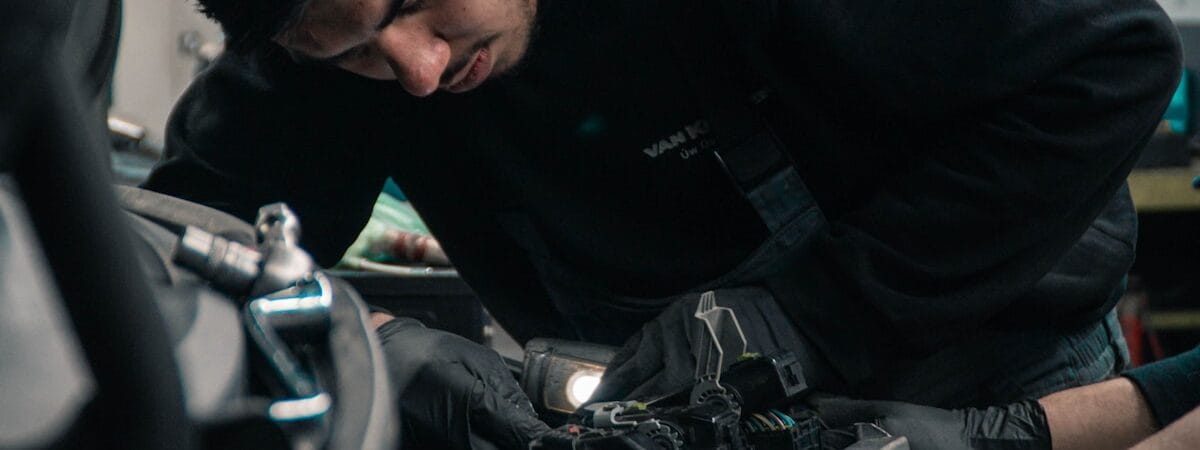
How Long Do Brake Pads Last?
Brake pads typically last between 30,000 and 70,000 miles, depending on your driving habits and the type of brake pads. Regular city driving with frequent stops can wear them out faster, while highway driving tends to extend their lifespan. It’s important to have your brakes inspected regularly to ensure they are in good condition.
What Factors Affect the Lifespan of Brake Pads?
Your driving style is a major factor in how long your brake pads will last. Aggressive braking, frequent stops, and heavy loads can all shorten their lifespan. Additionally, the quality of the brake pads and the conditions in which you drive (e.g., hilly terrain, stop-and-go traffic) also play a role.
How Can I Tell If My Brake Pads Need Replacing?
There are several signs that indicate it might be time to replace your brake pads. Noise, such as squealing or grinding, is one of the most common indicators. You may also notice a decrease in braking performance, a vibration in the brake pedal, or a warning light on your dashboard. If you experience any of these symptoms, it’s best to have your brakes checked by a professional.
What Are the Common Signs of Worn Brake Pads?
- Squealing or grinding noises when braking
- Vibration or pulsation in the brake pedal
- Decreased braking performance
- A warning light on the dashboard
How Often Should I Get My Brakes Inspected?
It’s recommended to have your brakes inspected at least once a year or every 12,000 miles, whichever comes first. Regular inspections can help catch issues early, potentially saving you from more extensive and costly repairs. At Raceway Pit Stop, we offer comprehensive brake inspections to ensure your safety on the road.
Can I Replace My Own Brake Pads?
While it is possible to replace your own brake pads, it requires some mechanical knowledge and specific tools. If you’re not comfortable with DIY projects, it’s best to leave it to the professionals. Our ASE-certified technicians at Raceway Pit Stop, located at 28085 Plymouth Rd, Livonia, MI 48150, United States, can handle the job efficiently and safely. Call us at +1 734-744-9400 to schedule an appointment.
What Tools Do I Need to Replace Brake Pads?
- C-Clamp or brake caliper tool
- Socket set and wrenches
- Jack and jack stands
- Brake cleaner
- New brake pads
What Are the Different Types of Brake Pads?
There are several types of brake pads, each with its own advantages and disadvantages. The most common types are organic, semi-metallic, and ceramic. Ceramic brake pads are known for their durability and quiet operation, making them a popular choice for many drivers. Semi-metallic pads are more durable and provide better heat dissipation, but they can be noisier. Organic pads are the most environmentally friendly but tend to wear out faster.
| Type of Brake Pad | Advantages | Disadvantages |
|---|---|---|
| Organic | Environmentally friendly, quieter | Wear out faster, less heat resistance |
| Semi-Metallic | Durable, good heat dissipation | Noisier, harder on rotors |
| Ceramic | Quiet, long-lasting, good heat dissipation | More expensive, less effective in cold weather |
How Much Does It Cost to Replace Brake Pads?
The cost of replacing brake pads can vary depending on the make and model of your vehicle, the type of brake pads, and the labor rates in your area. On average, you can expect to pay between $150 and $300 per axle for parts and labor. It’s always a good idea to get a quote from a trusted auto repair shop like Raceway Pit Stop, serving Livonia, Westland, Garden City, Plymouth, Northville, Canton, Dearborn, Redford, Inkster, Farmington Hills, and Novi.
Frequently Asked Questions
How often should I change my brake pads?
Brake pads should generally be replaced every 30,000 to 70,000 miles, but this can vary based on your driving habits and the type of brake pads. Regular inspections are key to determining when replacements are needed.
What happens if I don’t replace my brake pads?
If you don’t replace worn brake pads, it can lead to reduced braking performance, increased stopping distances, and potential damage to other brake components, such as the rotors. This can compromise your safety on the road.
Do all cars use the same type of brake pads?
No, different vehicles require different types of brake pads. It’s important to use the type specified by the manufacturer to ensure optimal performance and safety. Always consult your vehicle’s manual or a professional mechanic for the correct type.
Can I mix different types of brake pads on the same axle?
It is not recommended to mix different types of brake pads on the same axle. This can lead to uneven braking and potential safety issues. Always use the same type of brake pads on both wheels of the same axle.
Related Articles from Raceway Pit Stop
- Brake Repair and Replacement in Livonia, MI
- How Do I Know When My Brakes Need to Be Replaced?
- How Much Does a Brake Job Cost in Livonia, MI?
- Brake Pads vs. Brake Rotors — What’s the Difference?
- What Is a Brake Flush and Do I Need One?
- The Complete Car Maintenance Schedule Every Michigan Driver Needs